
Long before luxury fashion brands, watches, or modern streetwear existed, men were already wearing bracelets. Not as trends, not as decoration, but as symbols of power, identity, status, and strength.
For thousands of years, bracelets and arm cuffs have been part of masculine culture across civilizations, worn by warriors, kings, emperors, and leaders. And even today, that instinct hasn’t disappeared.
Because jewelry has always been about presence.
The First Men Who Wore Bracelets
Some of the earliest bracelets ever discovered date back more than 7,000 years.
Ancient men created them from bone, stone, wood, shells, and carved materials, often using them for spiritual protection, tribal identity, or social status.
As civilizations evolved, so did the materials.
Bronze, silver, and eventually gold transformed bracelets from primitive accessories into symbols of wealth and authority. The more valuable the material, the more powerful the man wearing it appeared.
And honestly, not much has changed.

Ancient Egypt: Jewelry as Power
In Ancient Egypt, men of status wore elaborate gold bracelets decorated with gemstones and symbolic engravings.
Pharaohs were buried with jewelry because these pieces were believed to carry value even in the afterlife. Jewelry wasn’t simply fashion, it represented divine connection, wealth, and influence.
Gold became associated with immortality, strength, and prestige. Thousands of years later, gold jewelry still carries that same psychological weight.
A man wearing gold stands out. Always has.

Greek and Roman Warriors
The Greeks and Romans pushed masculine jewelry even further.
Soldiers and warriors commonly wore leather and metal cuffs as part of their armor, both for protection and symbolism. In some Roman military traditions, bracelets made from precious metals were awarded to warriors as honors for bravery in battle.
A bracelet wasn’t just an accessory.
It meant discipline, victory, reputation.
That connection between jewelry and masculine presence still exists today — even if the battlefield looks different.

The Vikings and the Meaning of Arm Rings
Few cultures embraced bracelets like the Vikings.
Viking arm rings were symbols of loyalty, brotherhood, wealth, and honor. Some were even used as portable currency, passed between warriors and leaders as signs of trust and allegiance.
To wear one meant something. It showed identity. Status. Respect earned through action. And while modern men no longer sail into battle with axes and shields, the psychology behind jewelry remains surprisingly similar.
Men still wear jewelry to express confidence, individuality, and presence without saying a word.

Why Men Still Wear Bracelets Today
Because details matter.
A bracelet can completely change how a man looks and feels. It can make an outfit feel sharper, cleaner, stronger, or more expensive. Sometimes subtly. Sometimes immediately.
Minimal designs communicate confidence.
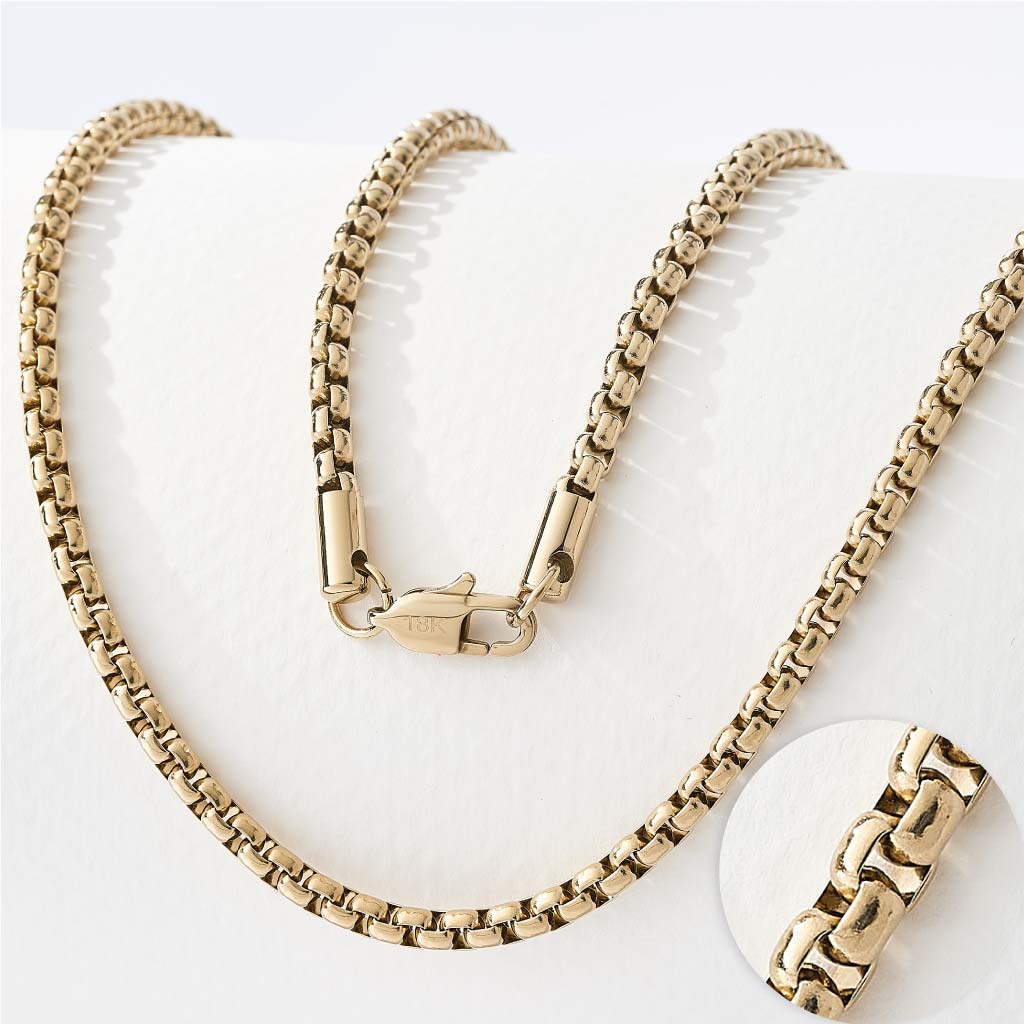
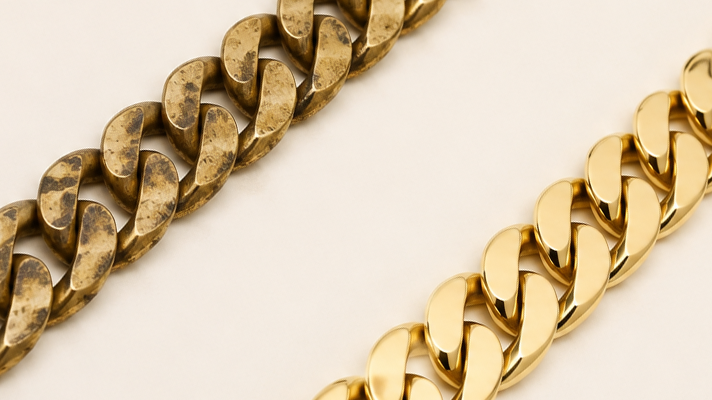
Bold chains project presence.
Tennis bracelets signal modern luxury.
Cuffs feel powerful and structured.
Jewelry gives men another layer of expression — one that doesn’t rely on loud colors or complicated fashion.
That’s part of why men’s jewelry has exploded again in recent years.
Athletes, musicians, entrepreneurs, and modern style icons have all helped bring masculine jewelry back into the mainstream. But in reality, it never truly disappeared.
Men have been wearing bracelets for thousands of years.
Modern culture is simply rediscovering it.

The Modern Bracelet
Today’s bracelets are cleaner, more versatile, and easier to wear than ever before.
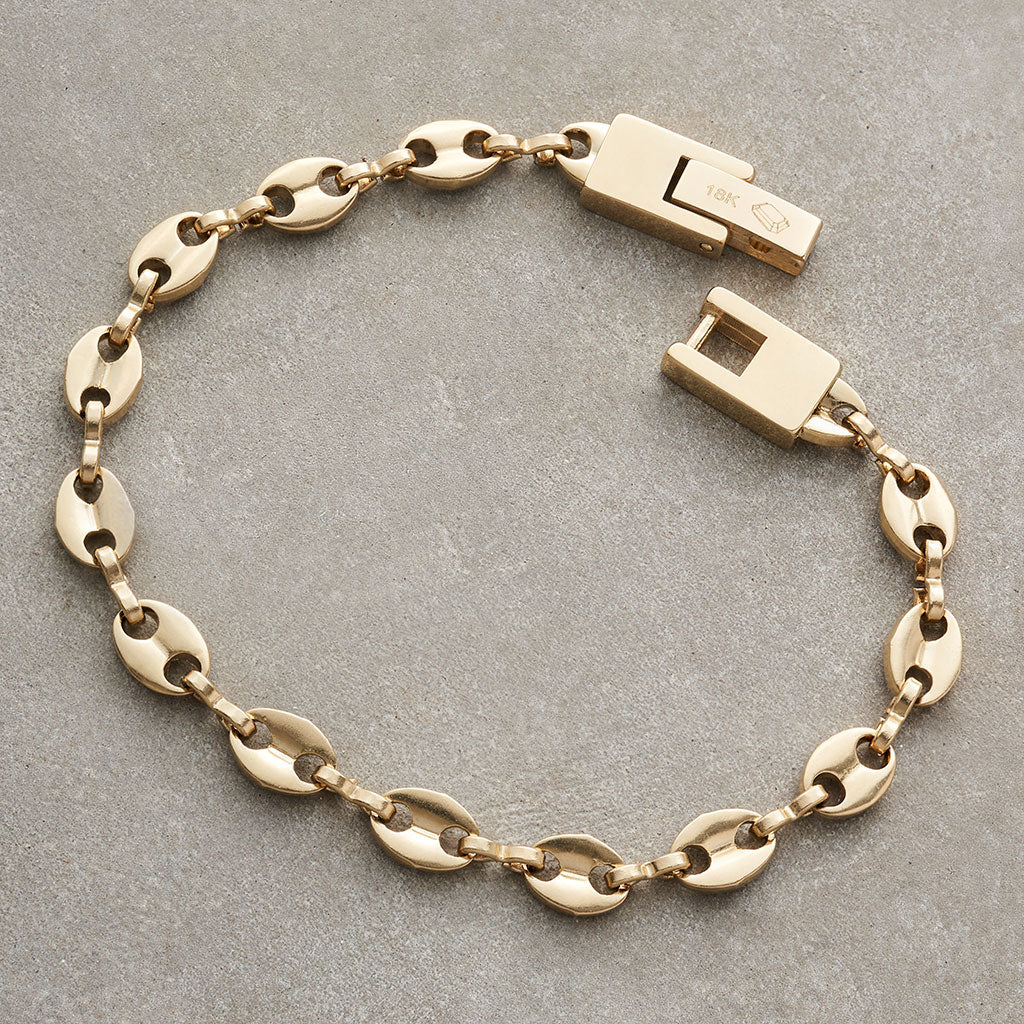
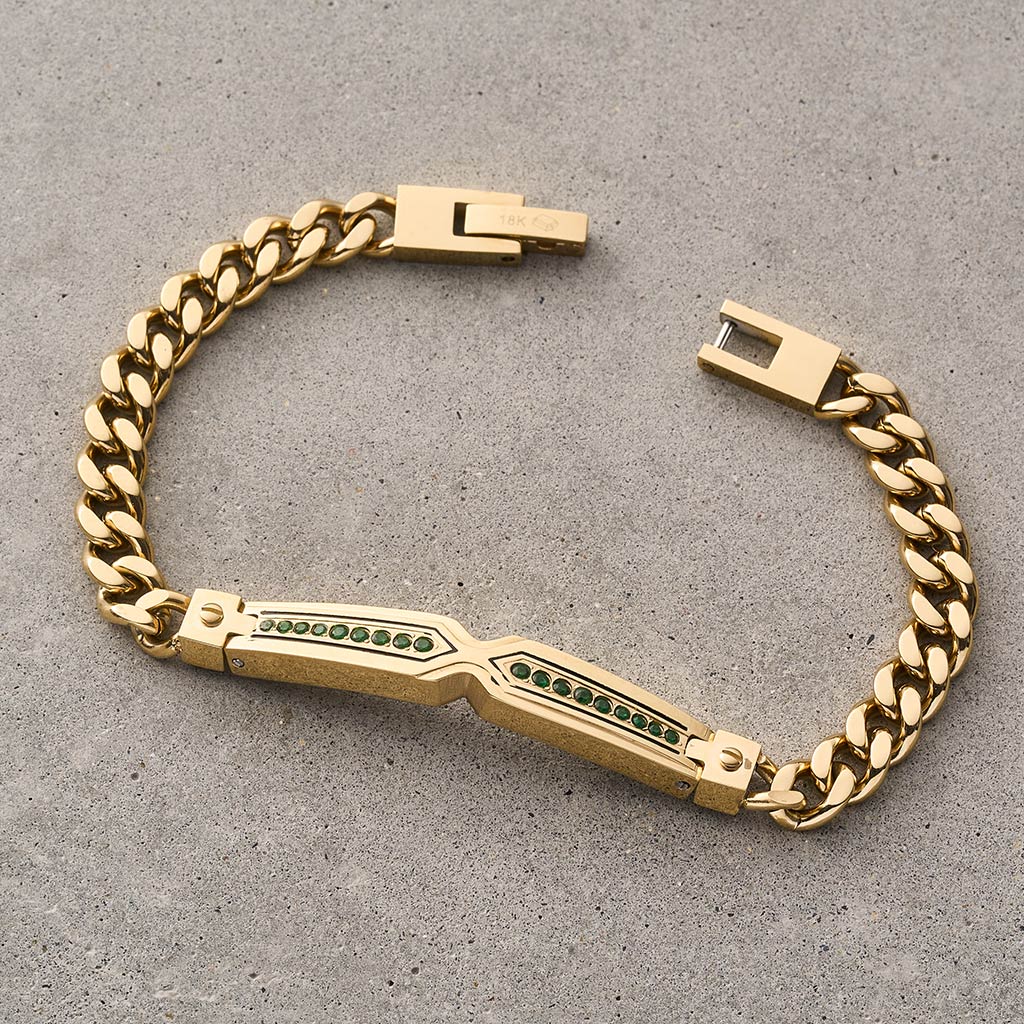
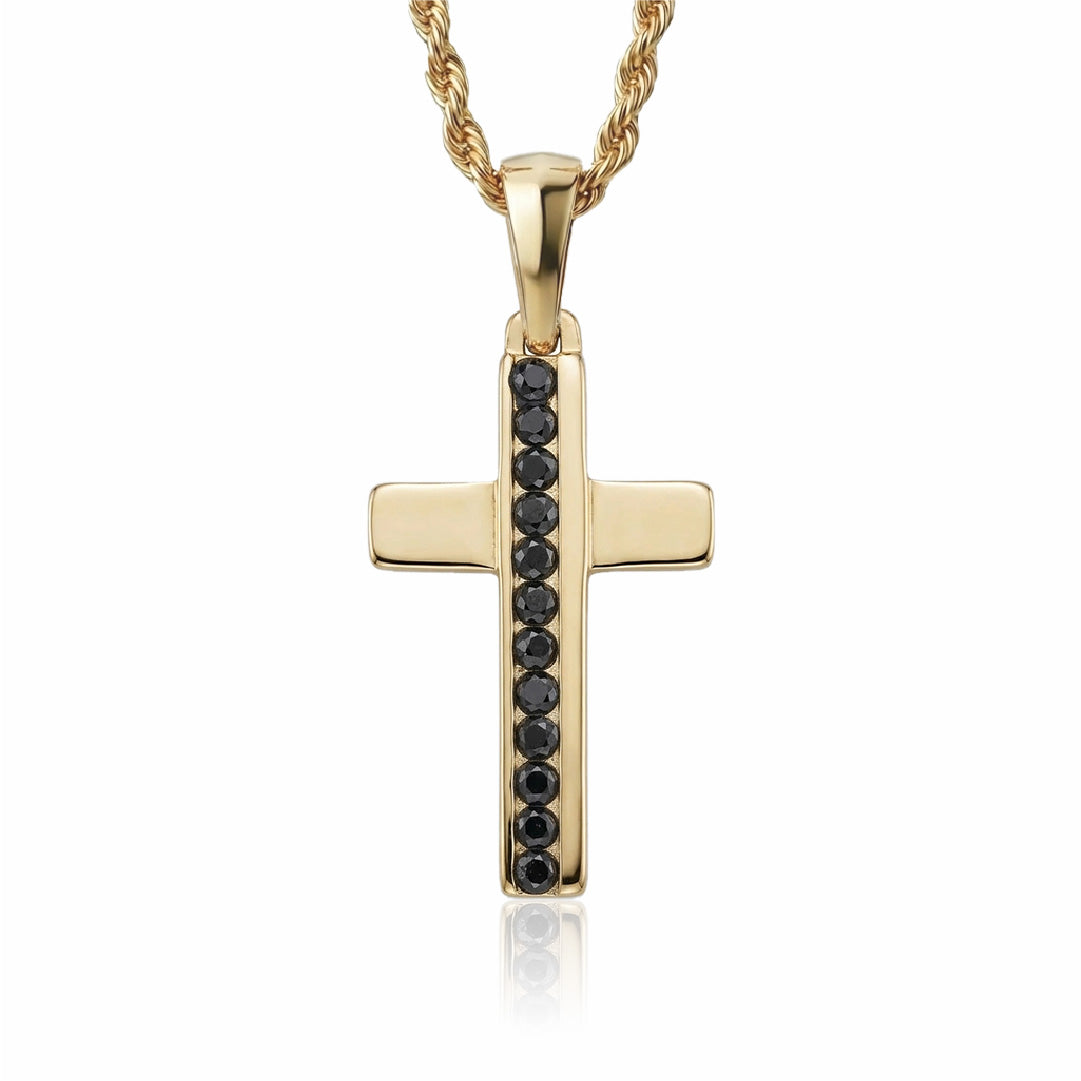
And brands like Goldier are helping redefine what modern gold jewelry looks like for men.
Instead of fragile or overpriced traditional gold jewelry, Goldier creates pieces using Titanium Gold — engineered to deliver the luxurious look and feel of solid gold while being more durable, water-resistant, and accessible for everyday wear.
Because modern men don’t want jewelry they have to baby.
They want pieces they can actually live in.